

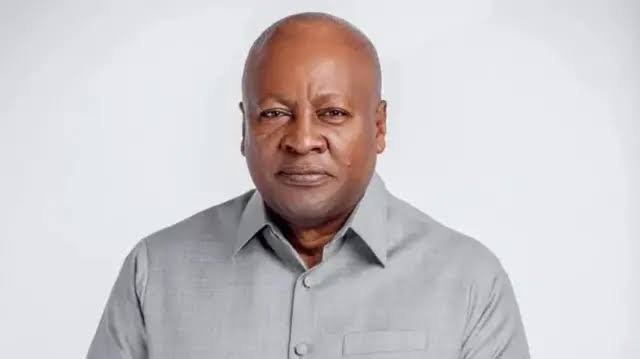
President John Dramani Mahama has declared that Ghana is no longer experiencing the persistent power outages popularly known as dumsor, assuring citizens that the country currently has adequate electricity to meet its needs.
The President attributed the improvement in power supply to measures introduced by his administration to address the financial challenges facing the energy sector, particularly the settlement of outstanding debts owed to Independent Power Producers (IPPs).
Speaking to Ghanaians in Moscow, Russia, President Mahama disclosed that his government inherited approximately US$1.7 billion in unpaid obligations to IPPs, alongside outstanding payments for gas supplied from the Jubilee Field and by ENI.
According to him, the accumulated debts had strained relations between the government and power producers, with some IPPs threatening to suspend electricity generation over delayed payments.
“With regard to energy, I can report that there’s no dumsor in Ghana. Everybody has adequate power. And that’s one of the areas that has been quite dramatic in terms of its management,” he said.
President Mahama further announced that his administration had cleared the outstanding debt owed to IPPs and was now up to date with payments for electricity supplied to the national grid.
“I’m happy to announce that we have cleared the IPP debt. That is, we are current. Any energy they supply today, we’re paying them,” he stated.
He explained that the government had also introduced a separate payment arrangement to address the remaining financial obligations in the energy sector, with initial payments already made and additional settlements scheduled as they fall due.
The President said the new payment system had helped restore confidence between the government and power producers while ensuring the continued and reliable supply of electricity.
He maintained that Ghana currently has sufficient electricity generation capacity to meet national demand, adding that the measures taken by his administration were aimed at preventing a recurrence of the power supply challenges that previously affected households and businesses.